
Pakistan Must Move from Vehicle Assembly to Engineering, Innovation and Global Automotive Exports: Haroon Akhtar Khan!
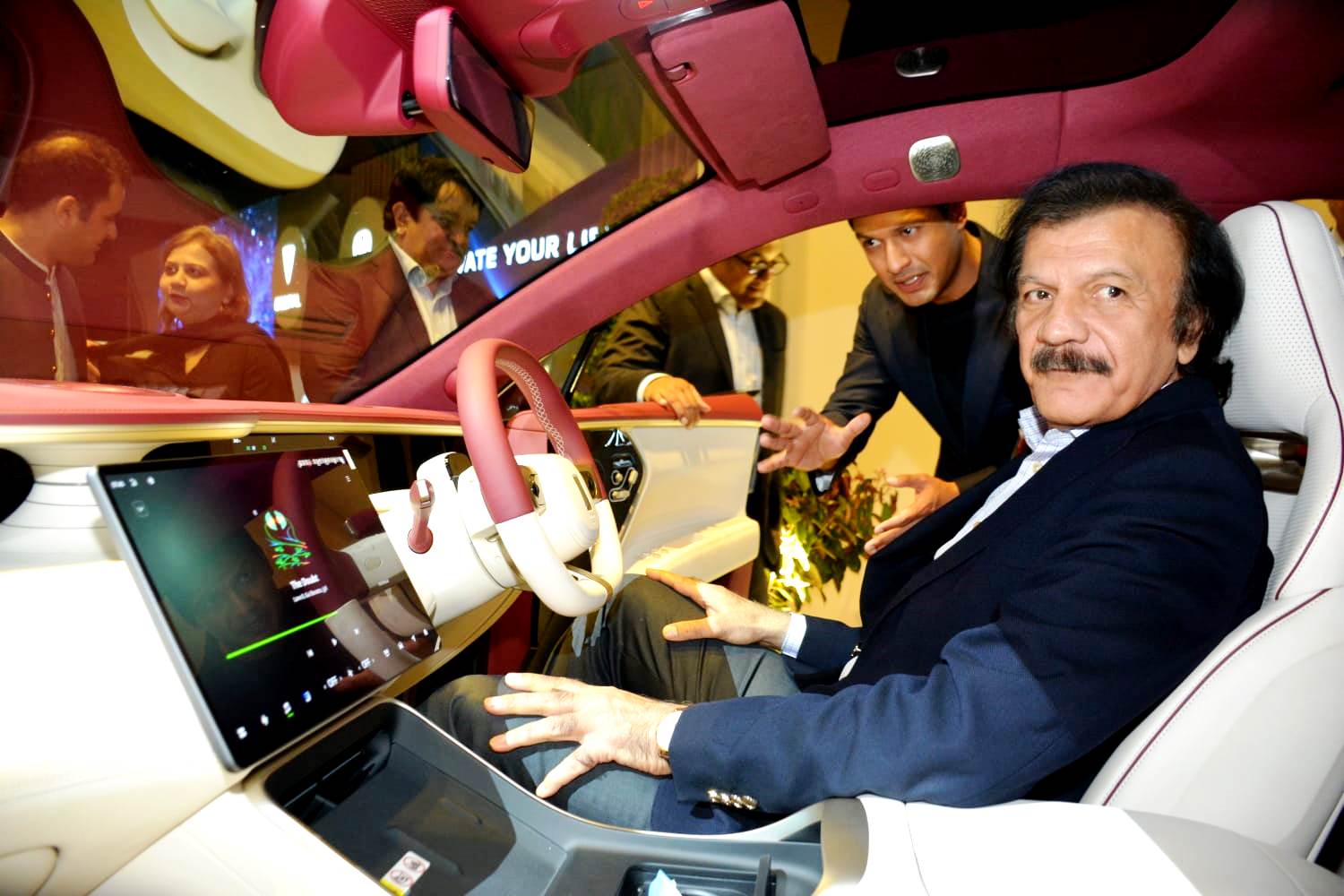
Lahore, October 03, 2026: Advisor to the Prime Minister for Industries and Production Haroon Akhtar Khan has said that Pakistan must move beyond merely assembling vehicles and become a competitive hub of the global automotive industry, adding that the country would have to progress from assembly to manufacturing, manufacturing to engineering and engineering to innovation. Addressing a ceremony in Lahore on Saturday, he said that today’s automobile was no longer merely a vehicle but “a computer on wheels,” making it essential for Pakistan to transform itself from a consumer of technology into a producer, engineer, innovator and exporter of technology. Haroon Akhtar Khan said Pakistan faced a fundamental choice: whether to continue buying a future designed by others or become a country that actively participates in building that future. “Assembly was an important beginning, but assembly cannot be our final destination,” he said, adding that the next phase of Pakistan’s industrial development was to integrate the domestic automotive industry into global supply chains. He said localization should not merely create capacity for the domestic market but develop capabilities that could take Pakistani industry to international markets. “A component manufactured in Pakistan should find its way into a vehicle in Shanghai, Tokyo, Munich or Detroit,” he said. He added that a successful automobile manufacturing plant created an entire industrial value chain around itself, while the market for Pakistani vendors should not be limited to a single factory or city but should extend to the entire world. The Prime Minister’s Advisor said Prime Minister Muhammad Shehbaz Sharif had provided a clear direction for Pakistan’s economic future centred on production, investment, productivity and exports. Under the Prime Minister’s leadership, the government’s objective was to translate policy decisions into practical results and provide a conducive environment that could strengthen the confidence of industrialists, investors and engineers in Pakistan, he added. Haroon Akhtar Khan said facilitating the business environment for investment, production and exports was a key government priority. “The government should not build a wall around industry; it should build a strong platform underneath industry,” he said. He said the Auto and Auto Parts Manufacturing Policy 2026-31 aimed to make Pakistan’s automotive industry more competitive, resilient and integrated with global value chains. The Prime Minister’s Advisor said the electric vehicle revolution represented a major industrial opportunity for Pakistan, but the country should not allow it to become merely an “electric vehicle import revolution.”
“We need to build our own capabilities in batteries, motors, charging equipment, power electronics, automotive software and energy storage,” he said. He stressed that in the new era of electric mobility, Pakistan had to become a producer rather than merely a consumer. He welcomed Chinese investment in Pakistan but emphasized that the country needed more than capital. “We need technology and engineering as well. We want Pakistani engineers to work alongside engineers from global companies and develop capabilities that remain in Pakistan,” he said. Haroon Akhtar Khan said Pakistan’s objective was to ensure that products manufactured in the country reached international markets. “Industrial protection should be a bridge, not a permanent destination,” he said. He said tariff rationalization, productivity enhancement and regulatory reforms were essential for achieving global competitiveness. “Every unnecessary regulation and every administrative delay weakens Pakistan’s industrial competitiveness. If we want investment, we must make investment easier; if we want production, we must make production easier; and if we want exports, we must make exports easier,” he said. The government, he added, would provide the necessary policy and regulatory framework, while industry would be expected to deliver efficiency, productivity and results according to global standards. He said Pakistani consumers were entitled to world-class quality, better safety standards, reliable services and competitive prices and should not have to bear the cost of industrial inefficiency. Haroon Akhtar Khan said Pakistan’s greatest industrial asset was its people and young workforce. “We have to move from Made in Pakistan to Engineered in Pakistan, Designed in Pakistan and ultimately Invented in Pakistan,” he said. He said Pakistan’s ambition should not be limited to manufacturing products but should extend to developing technologies that the world would want to buy. “We have to build a Pakistan that does not merely import from the world but also exports to the world. The future of mobility is being built today, and Pakistan must have a stake in building that future,” he said. The Prime Minister’s Advisor said the government and industry would work together to make Pakistan an important part of the global automotive value chain. “Pakistan must move from being a consumer to a producer, and from a producer to a global exporter in the automotive industry,” he said. Haroon Akhtar Khan also congratulated Changan and its Pakistani partners on the launch of the new vehicle in Pakistan, expressing hope that the initiative would contribute to the country’s automotive development, technology adoption and industrial growth.